Aronia
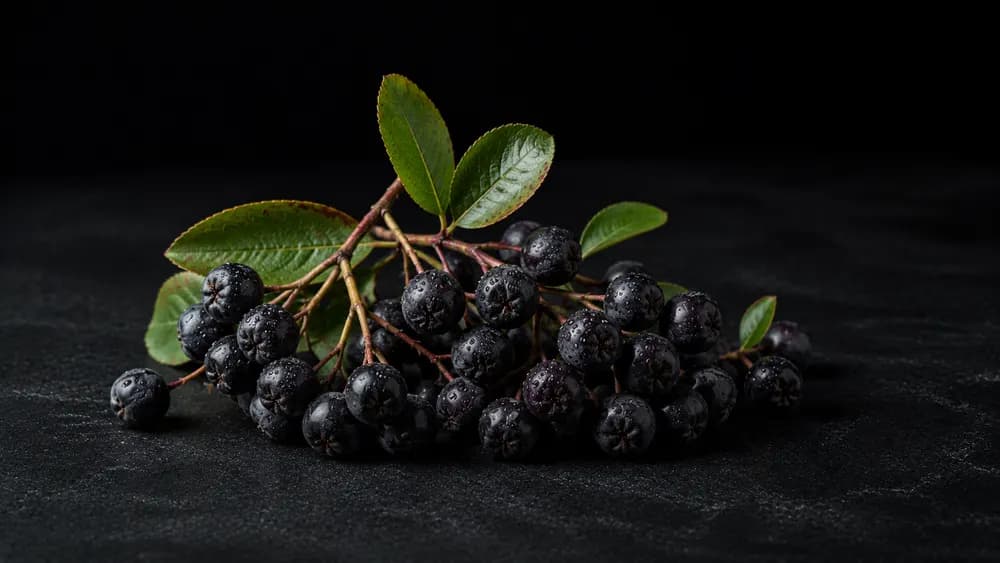
The anthocyanin queen: hardly any berry packs a denser load of dark polyphenols. That makes it impressive in the lab — but the human evidence is still young, and the astringent taste often leads to sweetened products.
Nutrition
Macros
Vitamins
Minerals
Dr. Gundry
Aronia is a near-ideal berry for Gundry: extremely high polyphenol density, low glycemic load, plenty of fiber. Exactly the dark anthocyanins he prizes in berries are present here at peak concentration. As with cranberry, his practical warning applies: avoid sweetened aronia juices and snacks — it's the whole or purely pressed fruit that counts.
Dr. William Li · 5×5 system
Li would clearly highlight aronia for DNA protection: its exceptionally high anthocyanin and proanthocyanidin content delivers one of the strongest antioxidant capacities of any fruit (high ORAC value). Polyphenols and fiber additionally act on the microbiome and vascular function.
Biolazar evidence
Aronia has the highest lab antioxidant capacity of this berry selection — that's real, but says little about the effect in the body. Early small human studies suggest favorable effects on blood pressure and blood lipids, but they are small, heterogeneous and partly industry-funded. Assessment: promising, but not yet at the evidence level of blueberry or strawberry. A high ORAC value alone is not a health claim.
How to use
Rarely eaten plain because of its tart, astringent taste; useful as pure pressed juice (unsweetened, small amount), dried in muesli or as a powder in smoothies. Blends well with sweeter berries. Watch for added sugar in ready-made aronia products — the most common catch.
