Food database
Curated longevity foods — each entry with nutrition, Dr. Gundry's view, Dr. William Li's 5×5 defensive-system rating, and our independent evidence assessment.
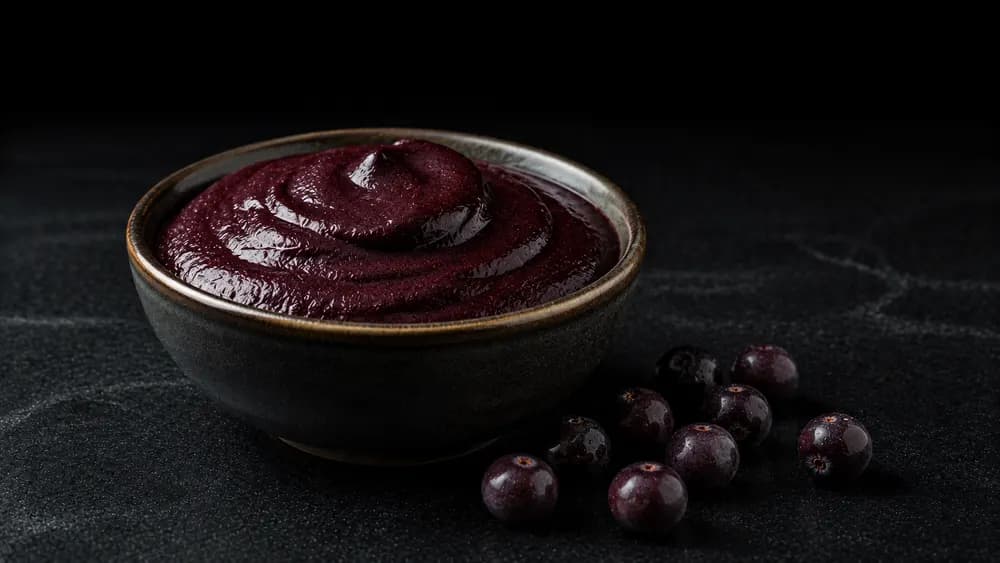
Açaí
The berry that launched the superfood boom: fat- and anthocyanin-rich, with a high lab antioxidant capacity. The honest catch is the gap between marketing and human evidence — and that it's almost always sold as a sweetened bowl, while local dark berries do the same for a fraction of the cost.
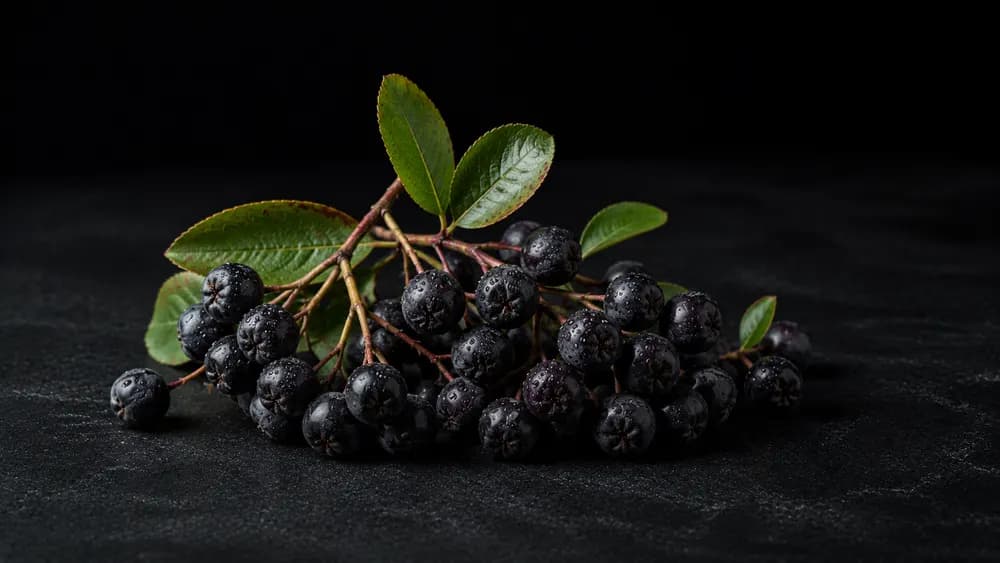
Aronia
The anthocyanin queen: hardly any berry packs a denser load of dark polyphenols. That makes it impressive in the lab — but the human evidence is still young, and the astringent taste often leads to sweetened products.
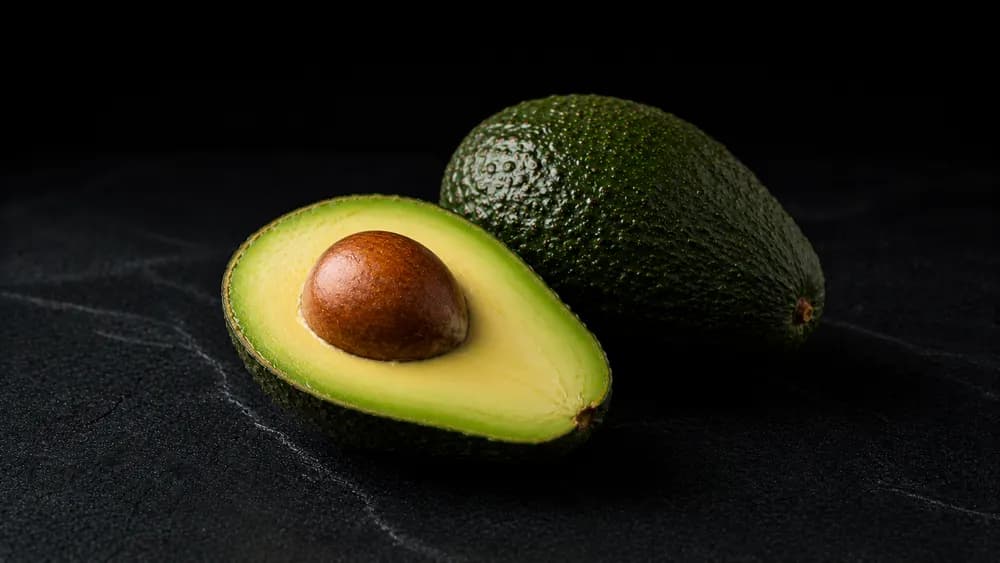
Avocado
Botanically a fruit, nutritionally a fat: rich in monounsaturated oleic acid like olive oil, plus exceptionally high in fiber, very low in sugar and richer in potassium than a banana. One of the best-evidenced foods, endorsed across every camp.
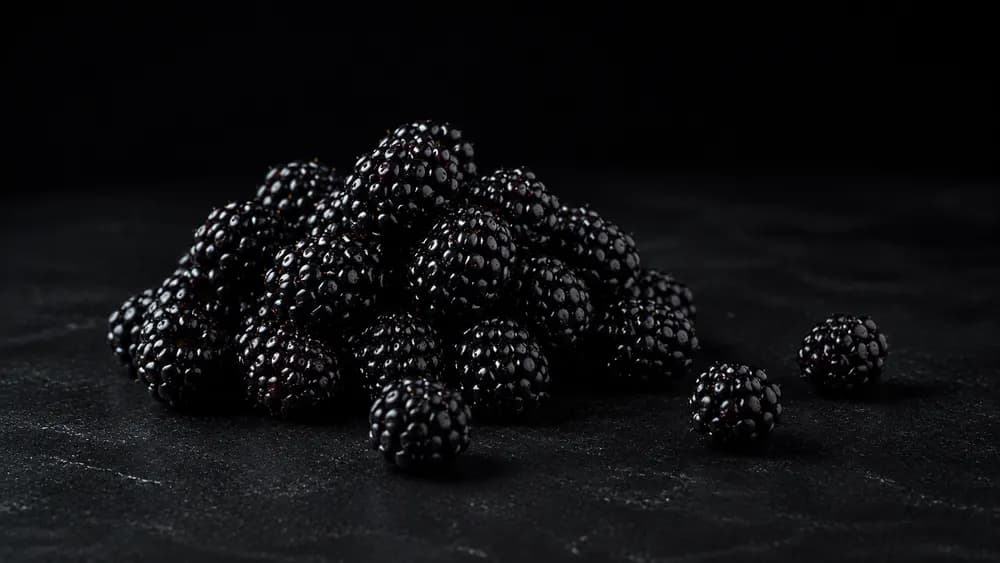
Blackberries
The darkest of everyday berries — and thus one of the richest in anthocyanins. Very low sugar, high fiber and vitamin K. Like all berries, on Gundry's yes-list.
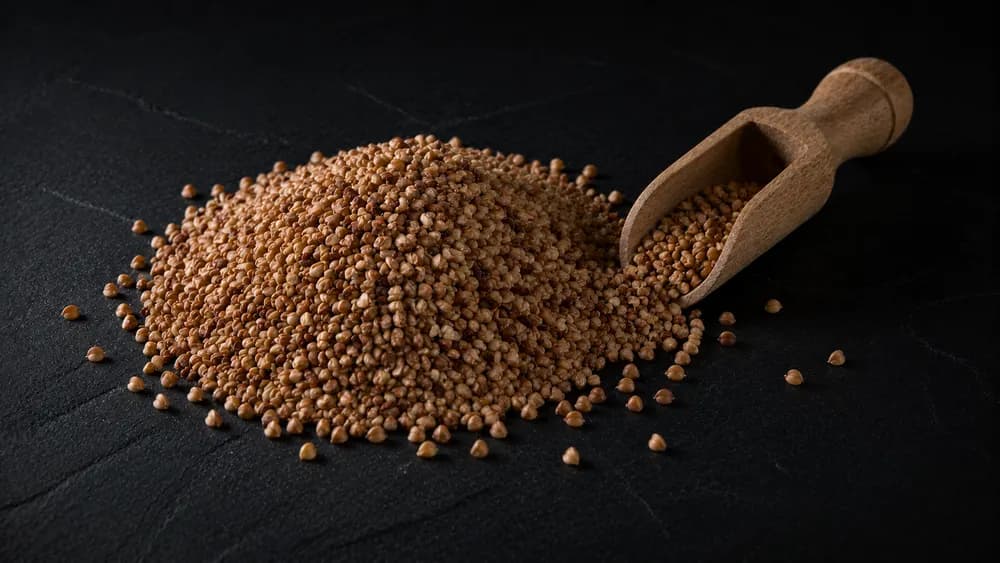
Buckwheat
Despite the name, neither wheat nor a grain but a gluten-free pseudo-cereal from the knotweed family. The only notable dietary source of the flavonoid rutin, and a favorite for blood sugar and blood vessels.
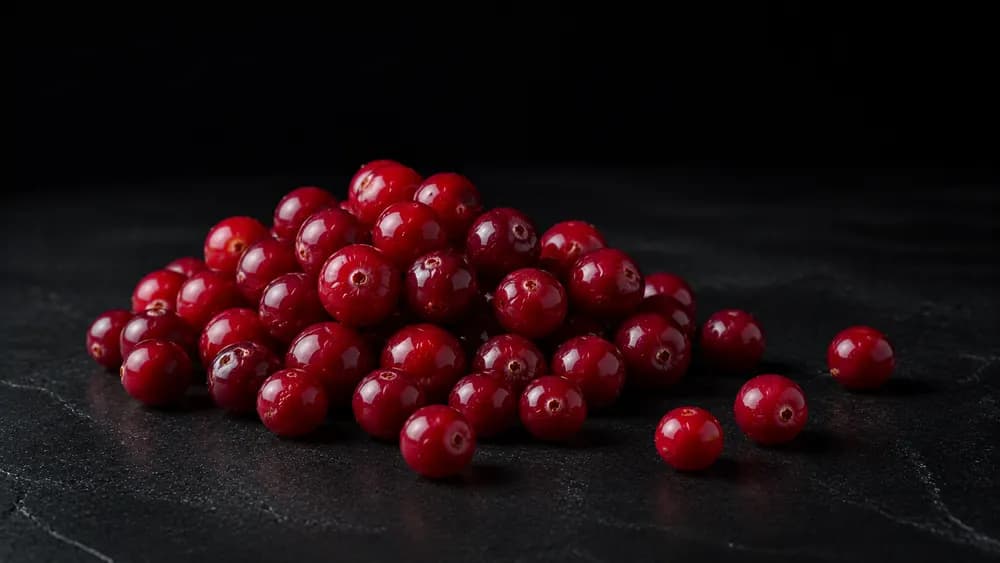
Cranberry
A functional berry with one clearly defined benefit: its A-type proanthocyanidins (PACs) may inhibit bacteria from adhering to the urinary-tract wall. The rest is often marketing — especially the sugary juice. An honest case of a real core wrapped in hype.
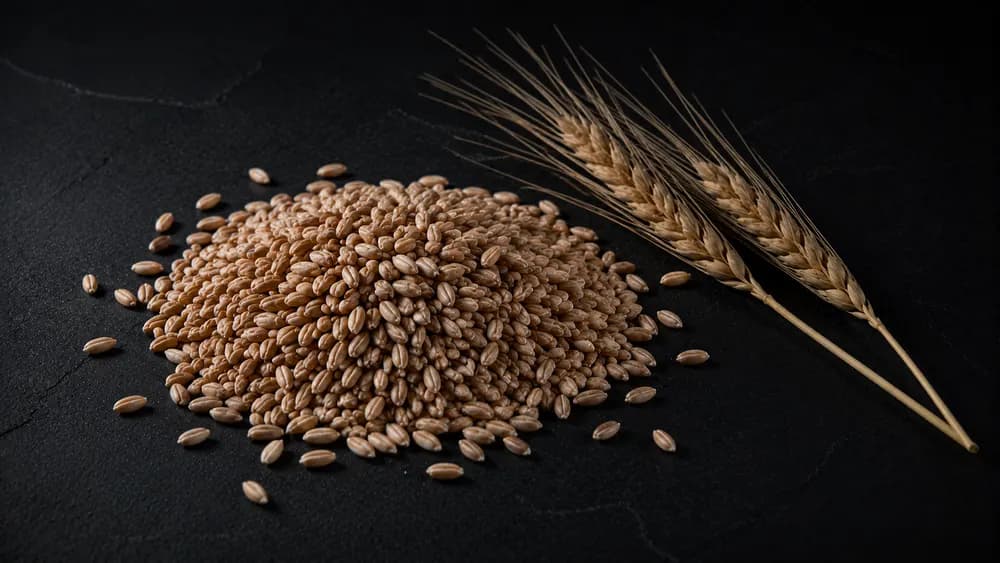
Spelt
An ancient wheat with a little more protein and often better tolerability than modern wheat — but botanically closely related and still containing gluten. No escape for celiacs, yet an interesting compromise for wheat skeptics.
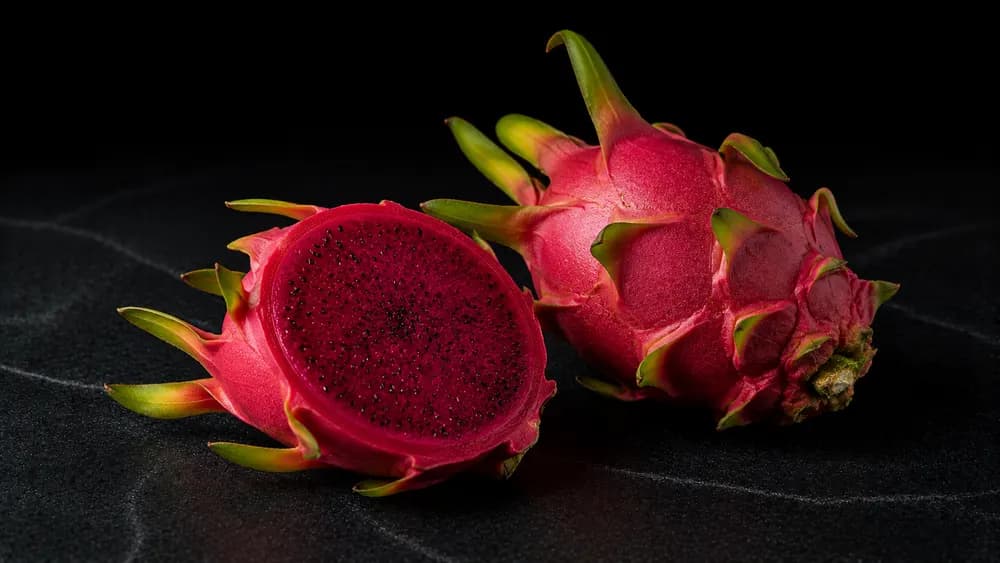
Dragon Fruit
The photogenic cactus fruit: mild, fiber-rich and with prebiotic oligosaccharides for the microbiome — the red flesh adds betalains. A solid but overrated fruit: the vitamin C content is lower than assumed, and local berries are more nutrient-dense.
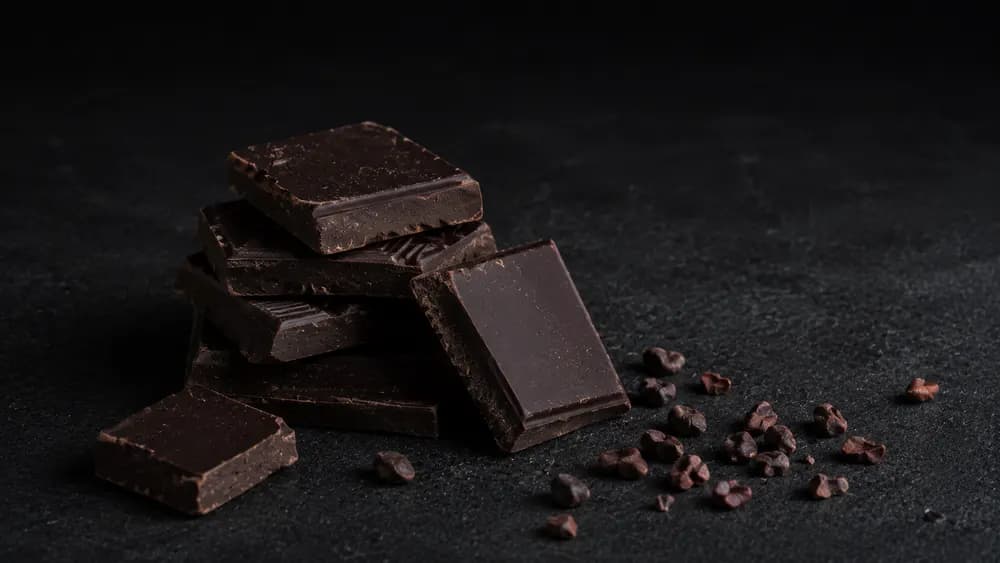
Dark Chocolate (85%+)
Cocoa is one of the most polyphenol-dense foods there is — its flavanols (especially epicatechin) are among the few 'indulgence' compounds with solid evidence: for vascular function, blood pressure, cognition and insulin sensitivity. What matters is the flavanol-versus-sugar math: at 85 %+ cocoa it tips clearly positive.
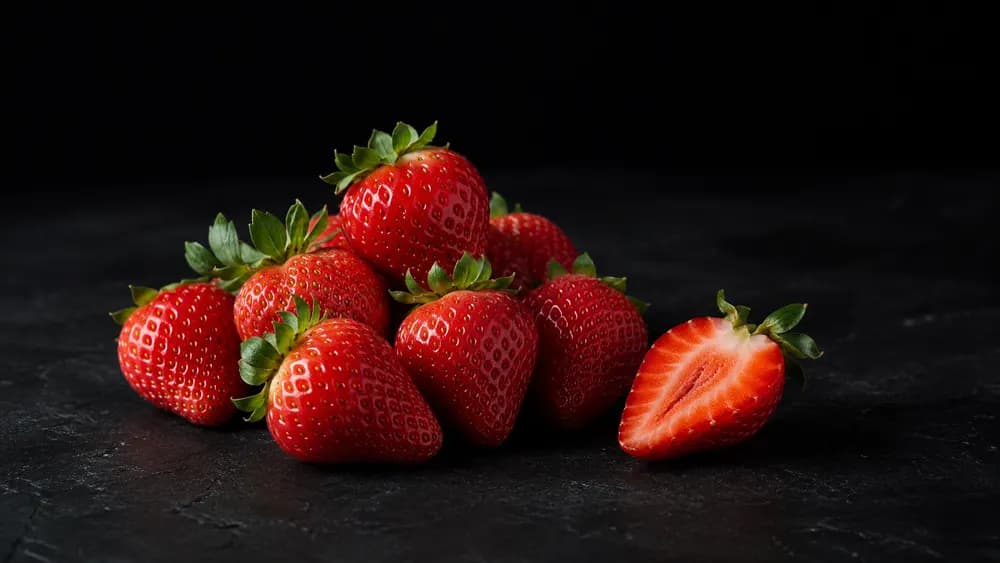
Strawberries
A low-sugar berry with exceptional vitamin C and the best known dietary source of the senolytic fisetin. Explicitly recommended by Gundry and linked in cohorts to better heart and brain health.
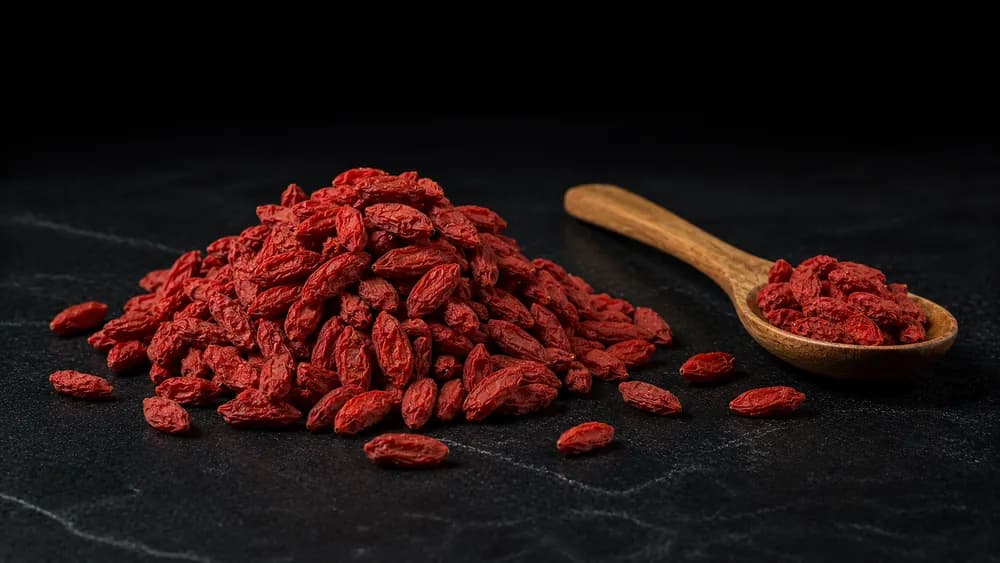
Goji berries
The classic superfood import with a real core and a lot of marketing shell: exceptionally rich in zeaxanthin for the eyes — but botanically a nightshade, which is why Gundry views it critically. A case study in checking the hype.
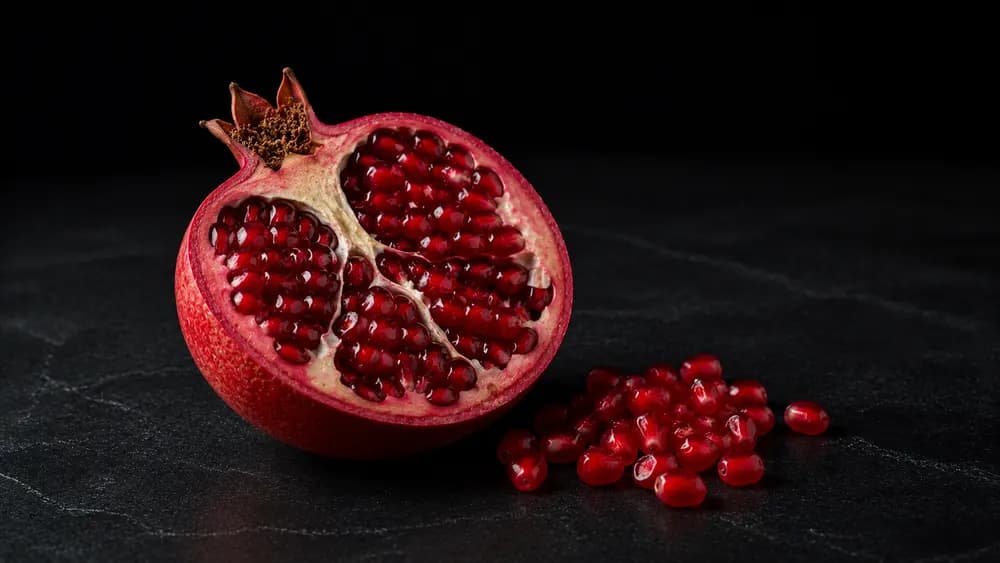
Pomegranate
Botanically a berry and the strongest dietary source of ellagitannins, from which the gut produces urolithin A — currently the most-discussed mitophagy trigger in longevity research. Valued by Gundry and Li alike.
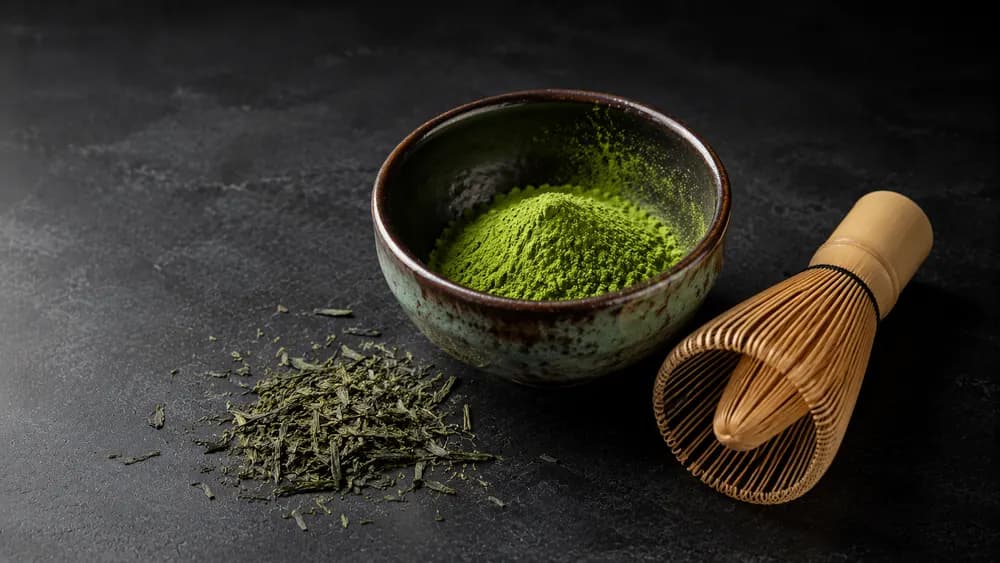
Green Tea & Matcha
Most concentrated dietary source of catechins, especially EGCG. Matcha (whole ground leaf) delivers far more polyphenols per serving than steeped green tea, where only the water-soluble fraction ends up in the cup.
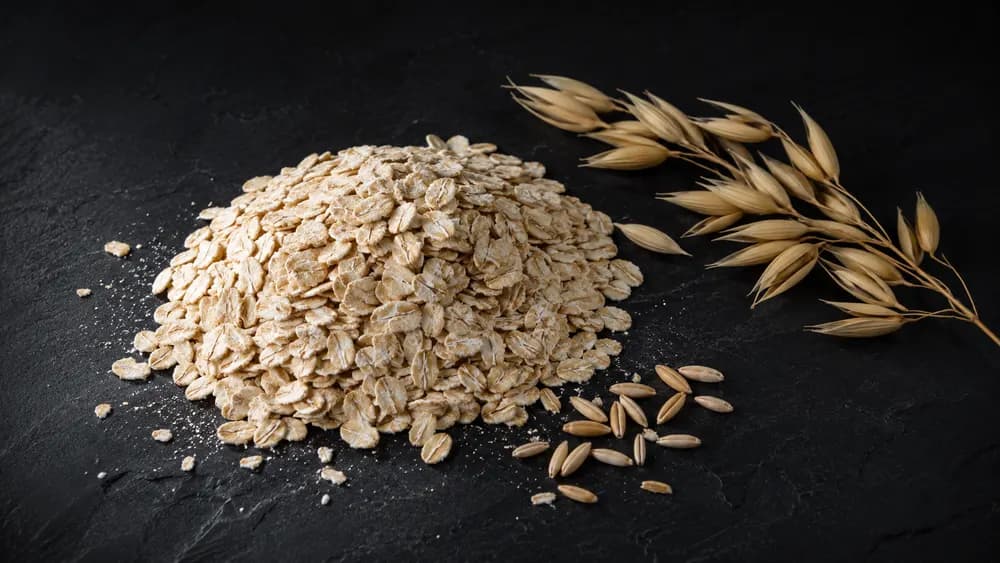
Oats
The best-documented grain for metabolic health: its soluble fiber beta-glucan is proven to lower LDL cholesterol. Naturally gluten-free and free of WGA — which makes it the most nuanced case in the grain debate.
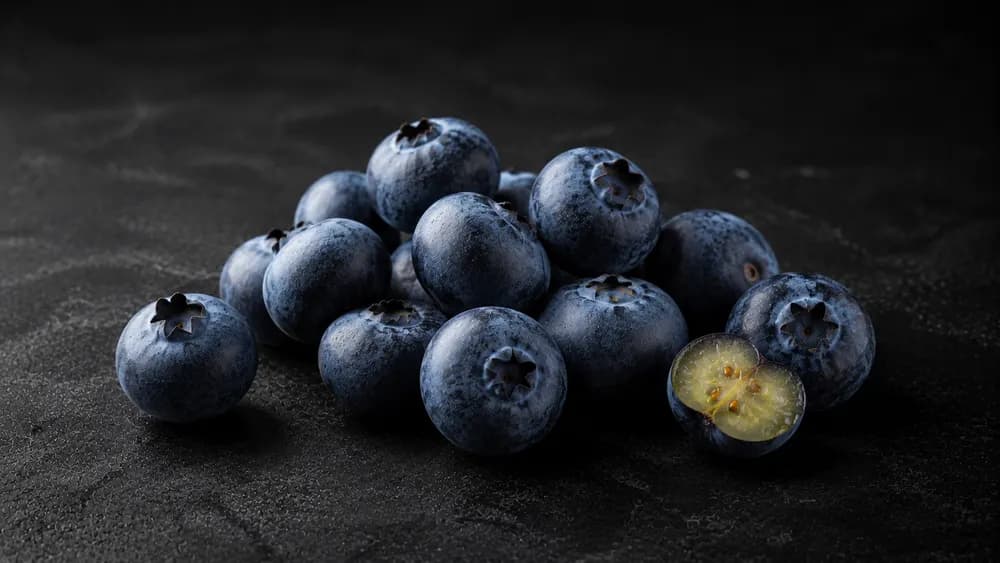
Blueberries
One of the most polyphenol-dense fruits there is. Anthocyanins carry consistent evidence for cognitive protection — and the low sugar load makes it the rare fruit even lectin-critics wave through.
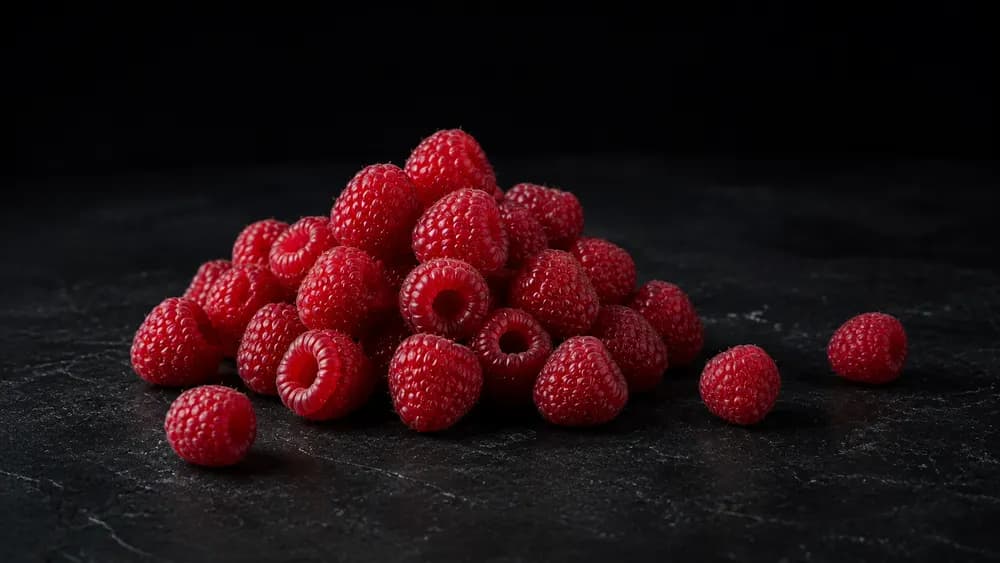
Raspberries
One of the highest-fiber, lowest-sugar berries of all — rich in ellagic acid and ellagitannins, from which the gut produces the longevity-relevant urolithin. Firmly on Gundry's yes-list.
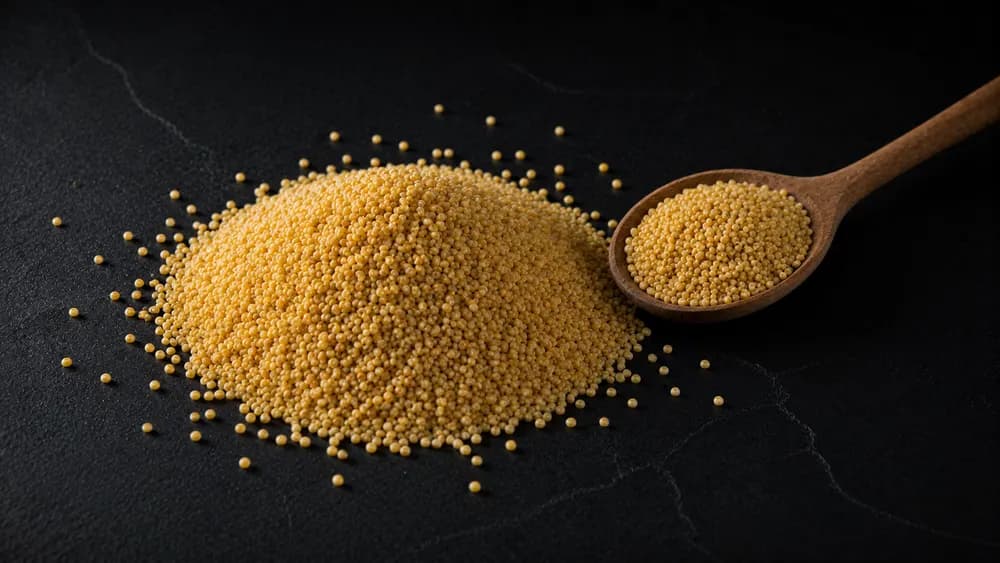
Millet
The grain that flips the battle lines: one of the very few Gundry explicitly permits (alongside sorghum) — gluten-free and low in lectins. The honest catch here is on our side: millet has a comparatively high glycemic index.
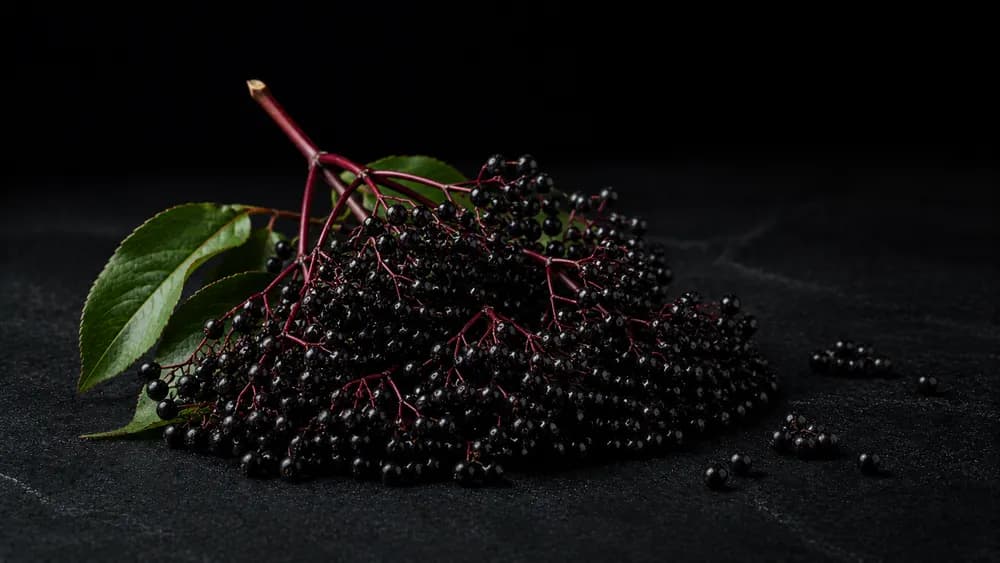
Elderberry
The classic immune berry: extremely anthocyanin-rich and the basis of countless cold syrups. A real core (small flu studies) but overhyped — and with an important safety point: raw elderberries are mildly toxic and must be cooked.
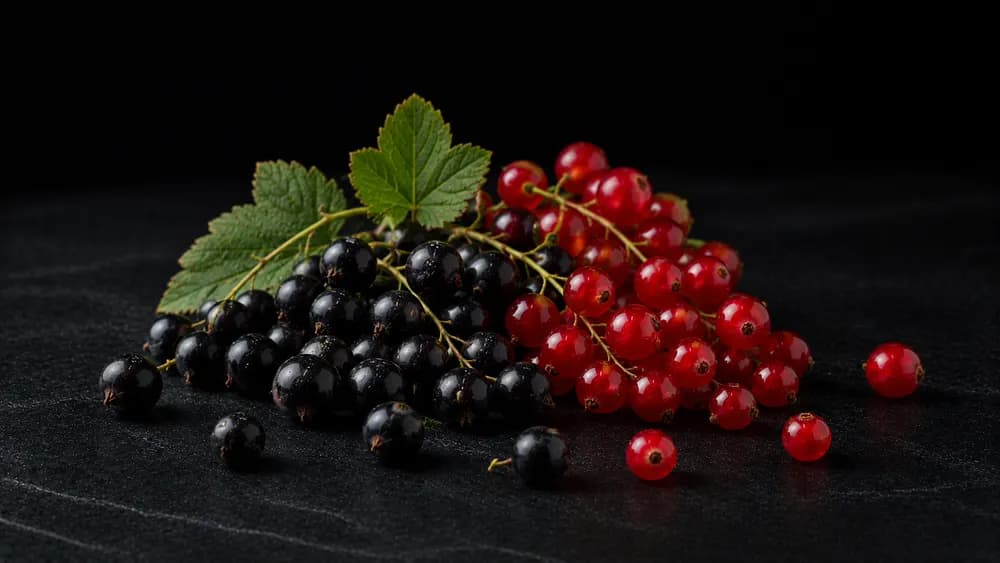
Currants (black & red)
The underrated local powerhouse berry: blackcurrants deliver about three times an orange's vitamin C (~180 mg per 100 g) and are among the most anthocyanin-rich fruits — with real evidence for the eyes and blood flow. Redcurrants are milder but also very low in sugar.
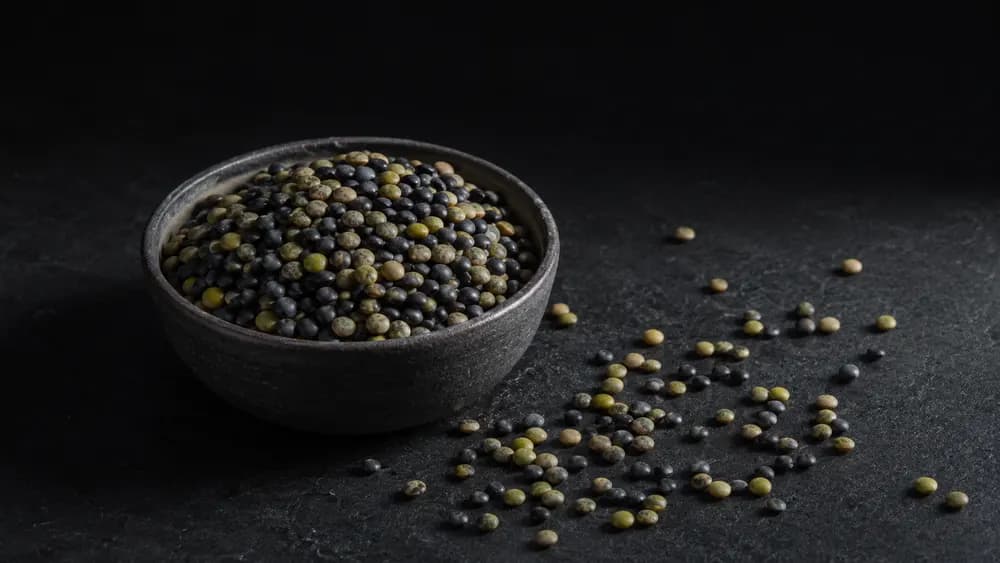
Lentils
Foundation of the Blue Zones diet and the single strongest dietary predictor of longevity across several cohorts — and simultaneously the most prominent villain of lectin-critical thinking. A case study in where popular opinion and evidence diverge.
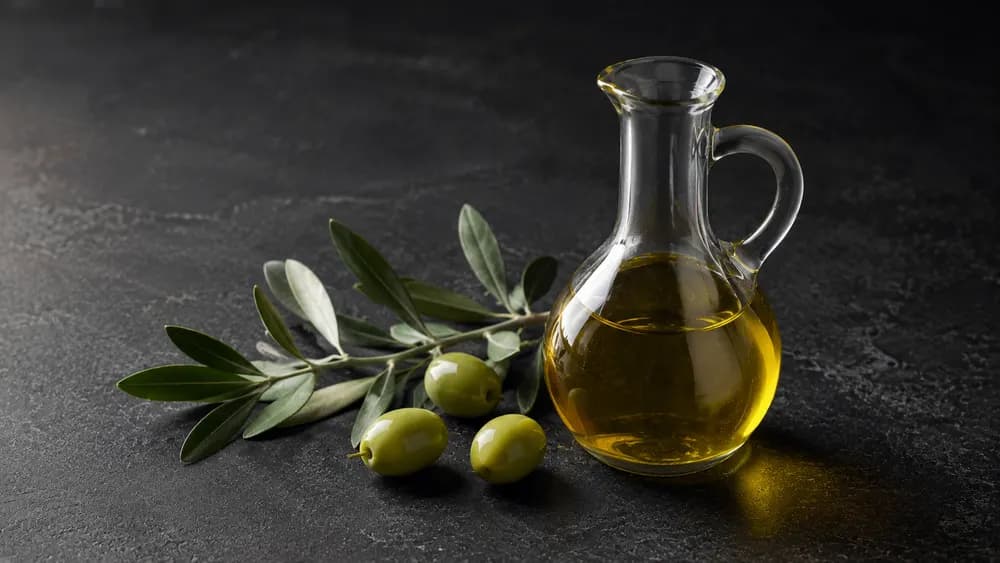
Olive Oil (Extra Virgin)
Central fat of the Mediterranean and Blue Zones diets. Rich in oleic acid and polyphenols like oleocanthal — with robust cardiovascular evidence (PREDIMED).
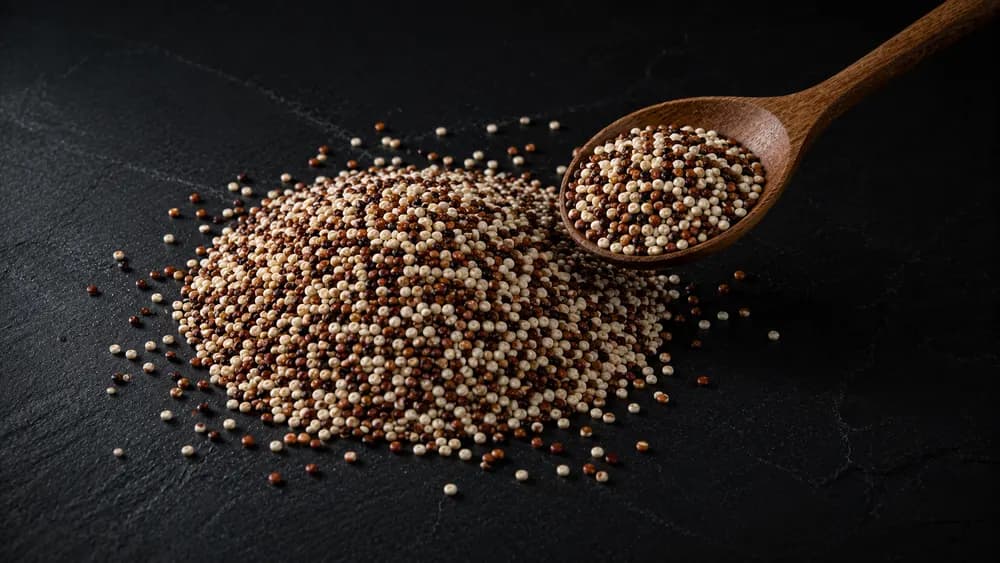
Quinoa
Botanically not a grain but a pseudo-cereal — and one of the few plant sources with a complete amino-acid profile. Gluten-free. Gundry allows it only with conditions: rinse thoroughly and pressure-cook.
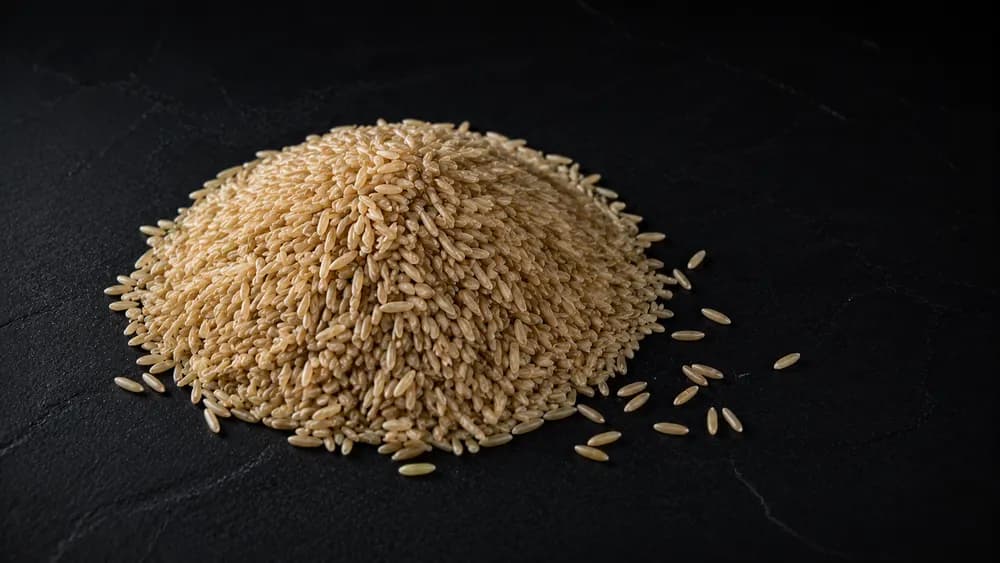
Rice
A staple for half the world — and the rare case where Gundry prefers the refined product (white rice) over the whole grain. The honest sticking point belongs to neither school of thought but to arsenic in the bran.
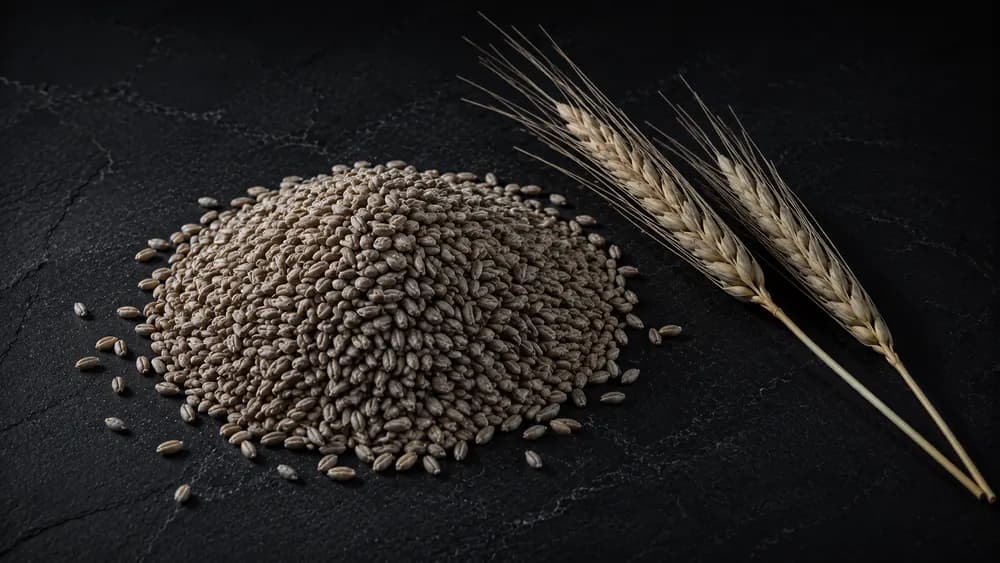
Rye
The grain with the lowest glycemic effect — even as bread. Nordic cohorts link whole-grain rye to better satiety and blood-sugar control. For Gundry it still stays on the no-list because of gluten.
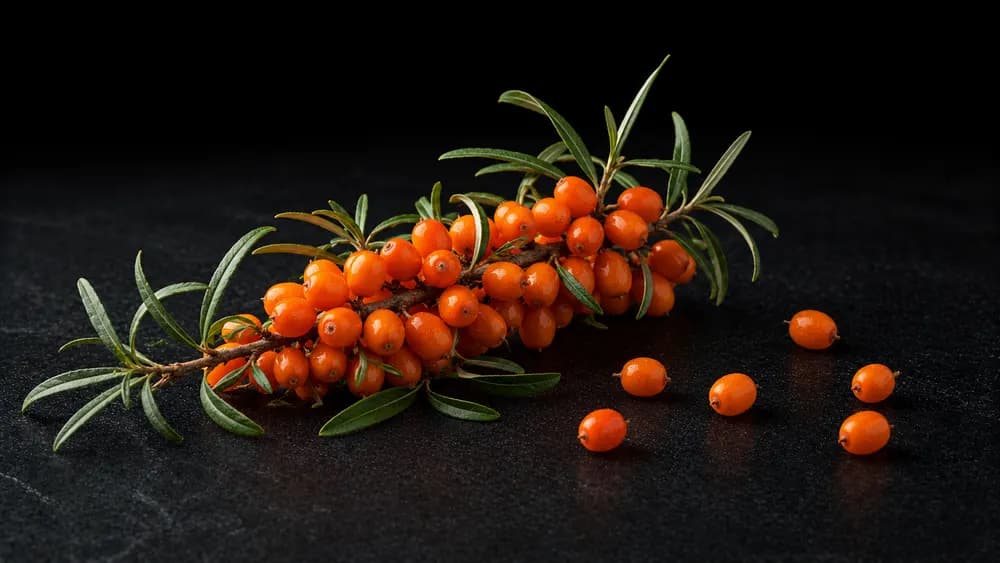
Sea Buckthorn
One of nature's densest vitamin C sources — several times an orange depending on variety — and one of the few fruits with the rare omega-7 fat (palmitoleic acid) for skin and mucous membranes. A nutrient bomb with a distinctive profile, but (still) thin human evidence.
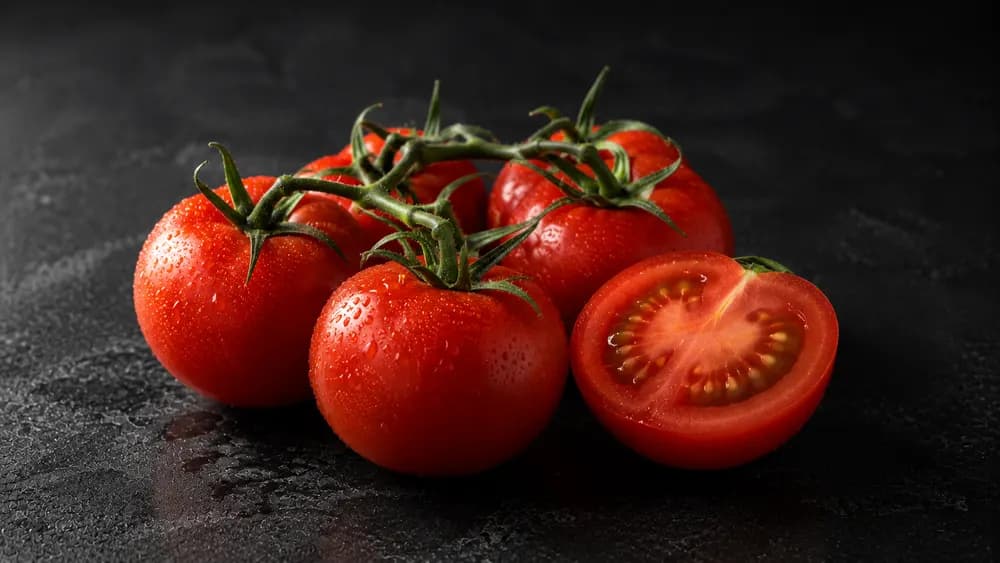
Tomato
Classic nightshade — a Mediterranean health staple, treated as problematic by the lectin-critical camp. The lycopene literature is solid; Gundry's rejection is weakly supported.
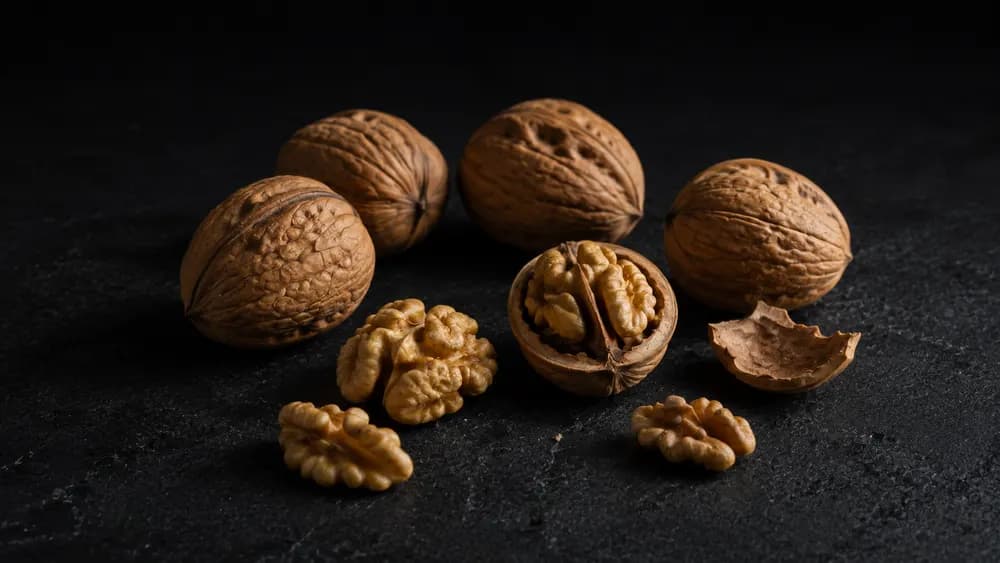
Walnuts
The nut with the highest content of plant-based omega-3 (ALA) and polyphenols. Part of the PREDIMED arm that lowered cardiovascular events — and one of the few snacks all three camps endorse.
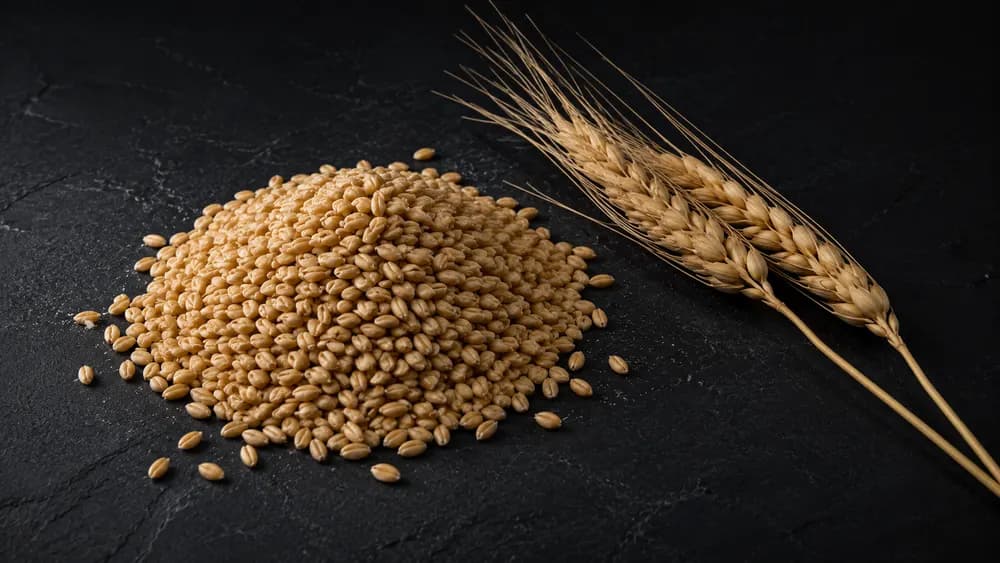
Wheat
The grain everything turns on: Gundry's chief villain because of gluten and the lectin WGA, yet clearly risk-lowering as a whole grain in cohort evidence. The real divide, though, isn't between camps — it's between whole grain and refined flour.
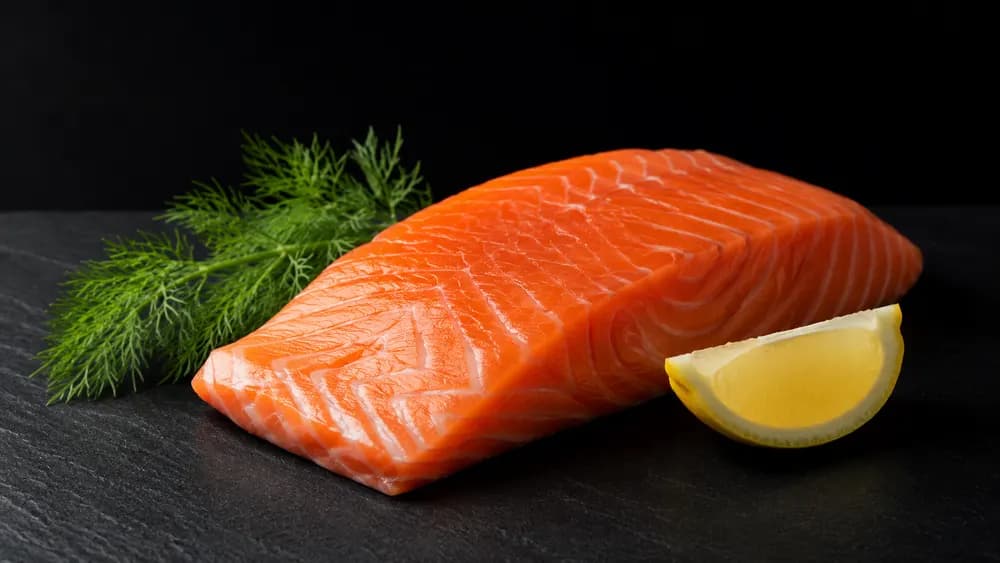
Wild Salmon
The most direct dietary source of EPA and DHA — the long-chain omega-3s with the strongest cardiovascular evidence. Wild-caught offers a better fatty-acid profile and fewer contaminants than farmed.
