Green Tea & Matcha
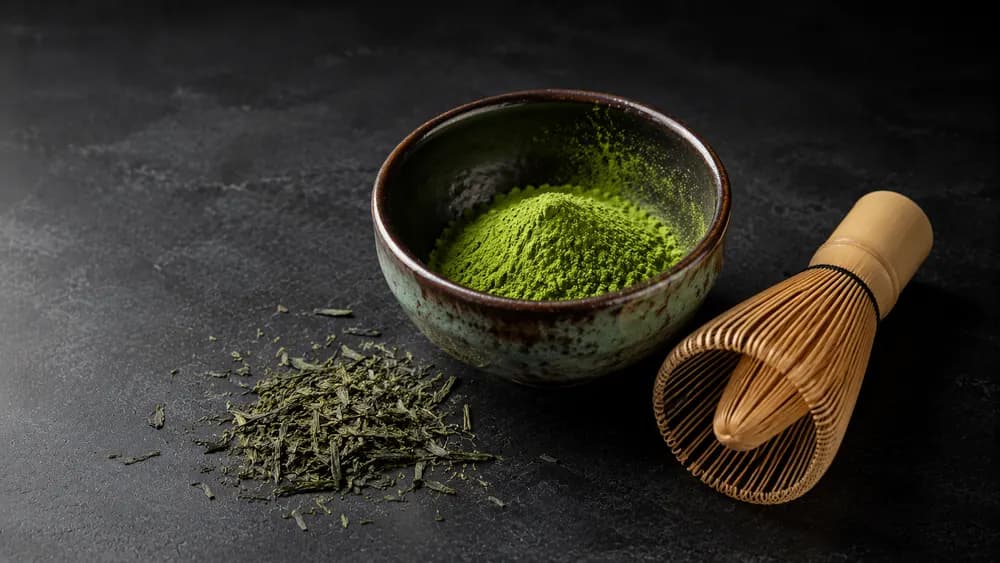
Most concentrated dietary source of catechins, especially EGCG. Matcha (whole ground leaf) delivers far more polyphenols per serving than steeped green tea, where only the water-soluble fraction ends up in the cup.
Nutrition
Macros
Vitamins
Minerals
Dr. Gundry
Green tea is prominently on Gundry's yes list. He highlights EGCG as a potent polyphenol that supports autophagy and improves mitochondrial function. Recommendation: 2–3 cups daily, matcha quality preferred.
Dr. William Li · 5×5 system
Green tea is one of the few foods Li rates strongly across nearly all five systems. EGCG is one of the strongest dietary angiogenesis modulators known. Catechins act as prebiotics, support stem-cell maintenance, and protect DNA. Only immunity is scored moderate.
Biolazar evidence
Unusually consistent evidence across countries and study designs — and across several longevity axes. Mortality: the large Ohsaki cohort (n≈40,000) shows a dose-dependent reduction in all-cause and cardiovascular mortality with several cups a day. Cardiovascular: meta-analyses find lower blood pressure and LDL cholesterol. Metabolism: EGCG and caffeine slightly raise fat oxidation and insulin sensitivity, partly via AMPK — the same energy sensor that fasting and metformin engage; EGCG also supports autophagy. Cognition: the amino acid L-theanine works with the caffeine to produce a calm, focused alertness (less jitter than coffee). The form matters: isolated EGCG in high-dose extracts is less bioavailable and, rarely, liver-toxic — the steeped tea outperforms it on many endpoints and is safe. Two practical caveats: catechins inhibit iron absorption, so not right alongside iron-rich meals; and matcha, being the whole leaf, delivers several times the catechins of a steeped cup.
How to use
Steeped: 2–4 cups daily at 70–80 °C (not boiling — high heat partially degrades EGCG). Matcha: ½–1 tsp (1–2 g) whisked — because you drink the whole leaf this delivers several times the catechins of a steeped cup; one serving a day is plenty. Either way, avoid pairing with iron-rich meals (catechins inhibit iron absorption).
