Lentils
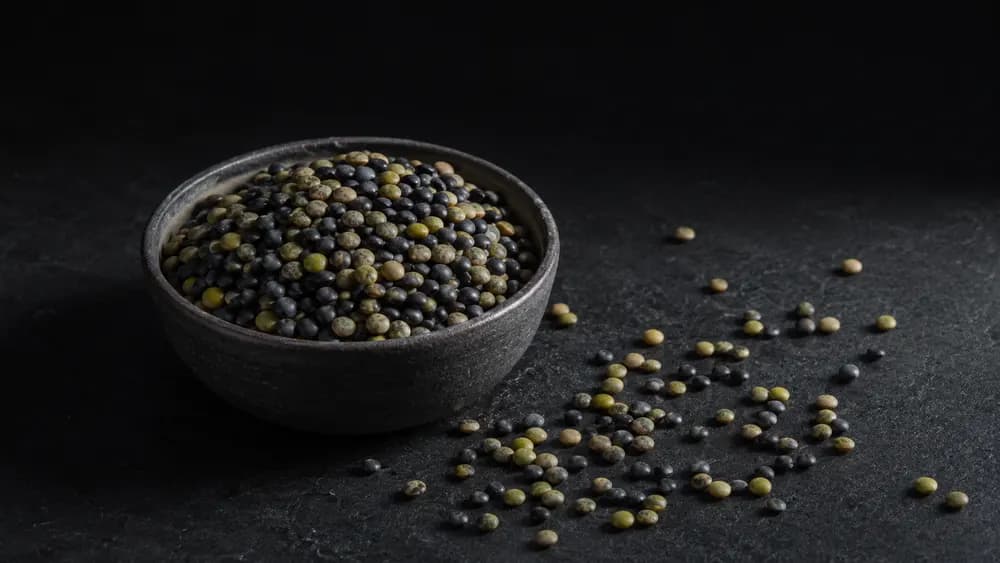
Foundation of the Blue Zones diet and the single strongest dietary predictor of longevity across several cohorts — and simultaneously the most prominent villain of lectin-critical thinking. A case study in where popular opinion and evidence diverge.
Nutrition
Macros
Vitamins
Minerals
Dr. Gundry
Lentils are prominently on Gundry's no-list: as a legume they're one of his main lectin sources, which he blames for a weakened gut barrier. Important caveat: Gundry permits legumes cooked in a pressure cooker — high pressure largely breaks down the lectins. He rejects them raw or merely soaked.
Dr. William Li · 5×5 system
Li values legumes mainly for the microbiome: the high content of resistant starch and soluble fiber feeds butyrate-producing gut bacteria. Polyphenols and folate contribute to DNA protection. Lentils are also one of the best plant protein sources.
Biolazar evidence
Lentils are one of the best-evidenced longevity building blocks there is — across several axes. Mortality: the Darmadi-Blackberry analysis across five countries found legumes to be the single strongest dietary predictor of survival (~8 % lower mortality per 20 g/day) — a core feature of every Blue Zone. Metabolism/blood sugar: with a very low glycemic index (~30) and plenty of soluble fiber, lentils flatten the glucose curve and improve glycemic control in RCTs; the famous second-meal effect even lowers the rise of the next meal. Gut: resistant starch and fiber are fermented to butyrate, the preferred fuel of colon cells. Heart: in PREDIMED analyses, higher legume intake is associated with lower cardiovascular risk. On top, lentils are one of the best plant protein and folate sources and supply iron (better absorbed with vitamin C). Honest framing on the Gundry dispute: in properly cooked legumes the lectins are essentially inactivated, and RCT evidence for harm from cooked lentils in healthy people is largely absent — the survival signal is incomparably stronger. With autoimmune conditions, individual testing may make sense.
How to use
3–5 servings per week. Soak well and cook through (or pressure-cook) — this inactivates lectins and improves tolerance. Beluga and Puy lentils keep more bite and polyphenols than red lentils. Pairing with a vitamin C source improves iron absorption.
