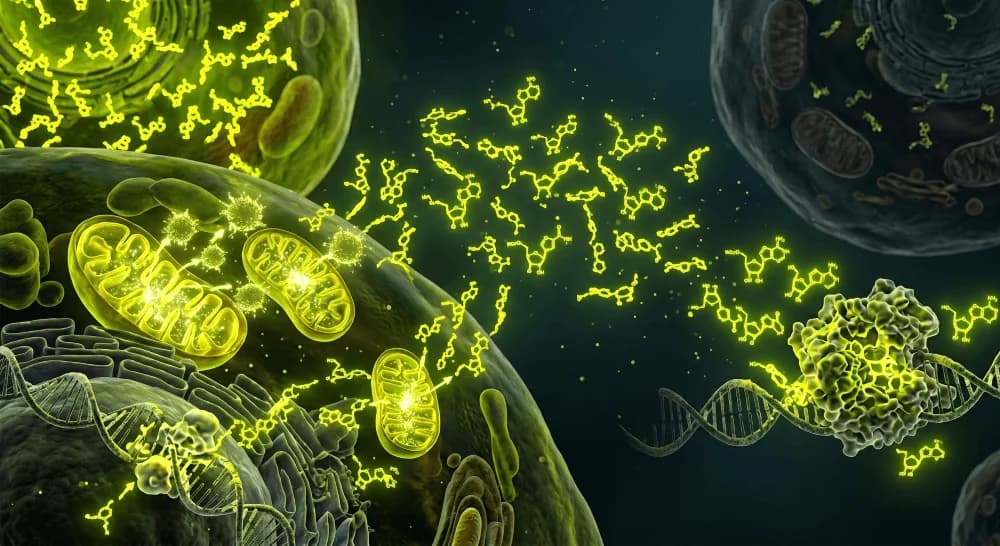
Pterostilbene
The 'better resveratrol' — a methylated stilbenoid (e.g. from blueberries) with markedly higher bioavailability. Often paired with NMN/NR, but still little studied in humans.
How it works
Pterostilbene is a close natural relative of resveratrol (e.g. in blueberries) but markedly more bioavailable and longer-active in the body. It acts as an antioxidant and is thought to influence sirtuins and metabolic signalling, often marketed as a better resveratrol. Robust human data are limited.
Dosage
Studies mostly use 50–125 mg/day. Frequently combined with NAD precursors (NMN/NR).
Considerations
Pterostilbene fixes resveratrol's main problem — poor bioavailability. The mechanistic story is the same (sirtuins, hormesis), but human evidence is similarly thin. One small caveat: in one study, higher doses slightly raised LDL cholesterol. Intriguing, but preliminary.