Resveratrol
The red-wine polyphenol that made sirtuin longevity research (David Sinclair) famous. Fascinating mechanisms — but disappointing human evidence and poor bioavailability. A textbook case of hype meeting reality.
How it works
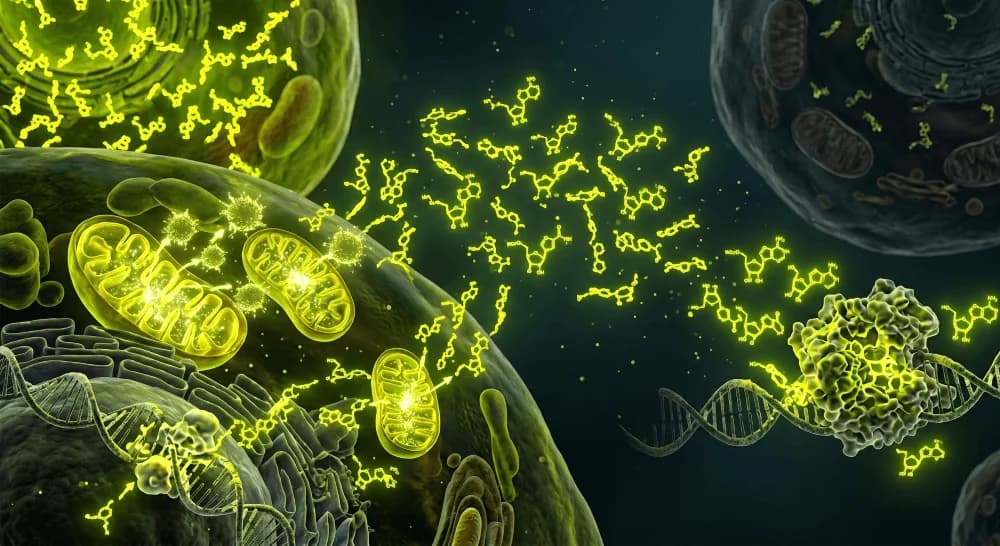
Resveratrol is a polyphenol (e.g. in red wine) that became known as a sirtuin activator and acts as an antioxidant. Early animal studies raised big hopes, but human data have largely disappointed, partly due to very poor bioavailability. Today it's considered overhyped; pterostilbene is seen as the more effective relative.
Dosage
Studies mostly use 150–500 mg/day, with fat due to poor absorption. Often combined with NMN (the Sinclair protocol) — but the synergy is unproven in humans.
Considerations
An honest take: resveratrol was hailed as a sirtuin activator and 'calorie-restriction mimetic', but direct SIRT1 activation is scientifically contested, bioavailability is low, and human RCTs are mostly disappointing. Possible interaction with anticoagulants (blood-thinning effect). In short: an intriguing hypothesis with weak human evidence — not an essential supplement.