L-Carnitine
Shuttles fatty acids into the mitochondria — the gatekeeper of fat burning. Most useful in deficiency (vegans, older adults); the acetyl form (ALCAR) targets the brain.
How it works
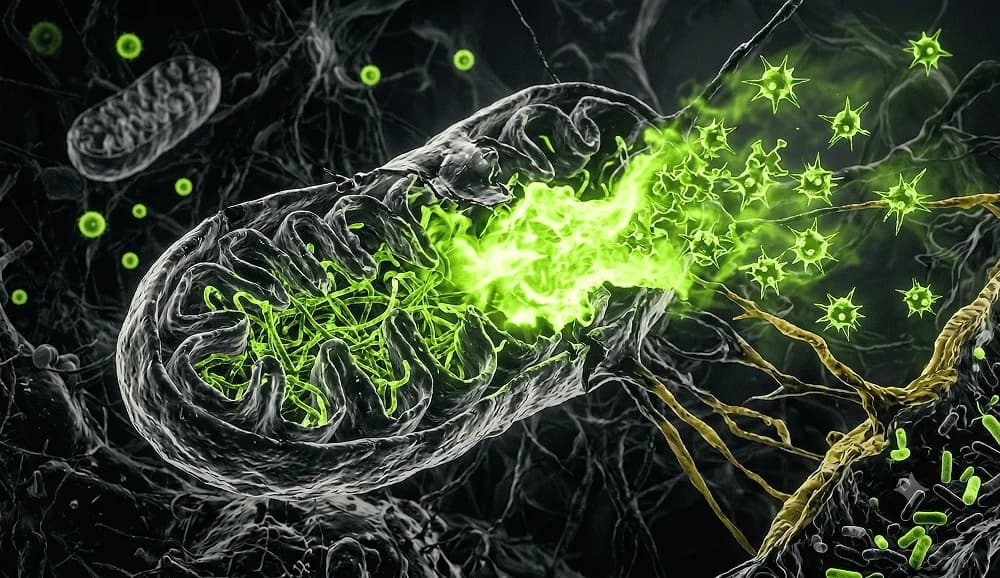
L-carnitine ferries long-chain fatty acids into the mitochondria, where they're burned for energy; it is thus a central transporter in fat metabolism. The body makes its own; supplementation mainly matters in deficiency (e.g. vegan, dialysis). Note: gut bacteria can convert carnitine to TMAO, which is debated for vascular risk.
Dosage
Typically 1–2 g/day. Acetyl-L-carnitine (ALCAR) for cognitive goals.
Considerations
The clearest benefit is in low carnitine status (vegans, older adults, certain conditions) — otherwise the body makes its own. Cardiovascular data are mixed. Note: gut bacteria can convert carnitine to TMAO, which is associated with atherosclerosis — a theoretical caveat at high doses.