MitochondrialEmerging
PQQ (Pyrroloquinoline Quinone)
A redox cofactor said to stimulate the formation of new mitochondria. Mechanistically fascinating, still young in humans — often combined with CoQ10.
How it works
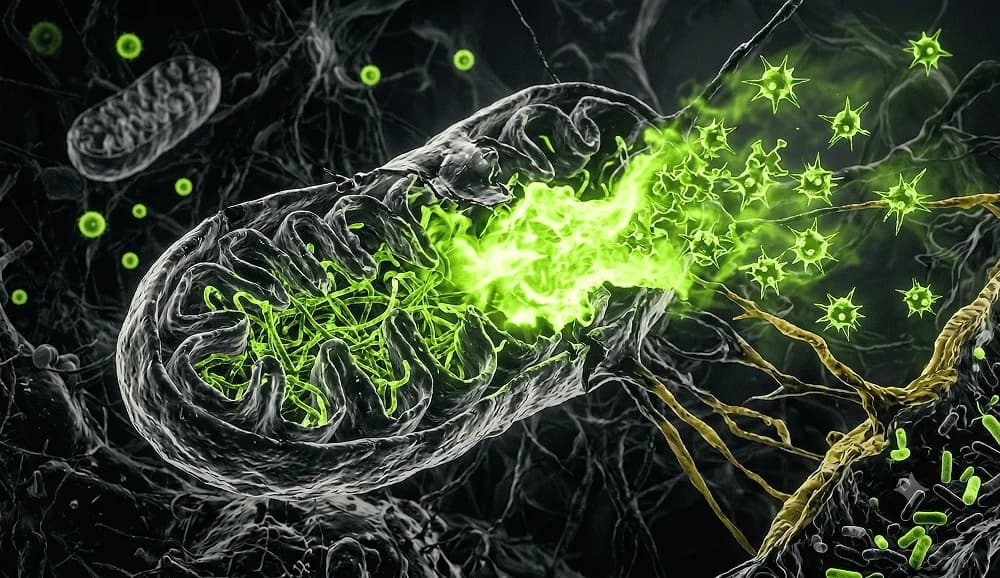
PQQ (pyrroloquinoline quinone) is a redox cofactor thought to stimulate the formation of new mitochondria (biogenesis) and to protect cells from oxidative stress as an antioxidant. It thus targets cellular energy production and is often combined with CoQ10. Human evidence is still early.
Goals
EnergyLongevity (broad)Cognition
Timing
Any time
Price tier
Medium
Dosage
Typically 10–20 mg/day. Frequently stacked with CoQ10.
Considerations
Mitochondrial biogenesis is shown mainly in cell and animal models; small human studies hint at effects on fatigue, sleep, and cognition. Promising overall, but human evidence is thin — best seen as an experimental add-on to CoQ10, not a must.
Form
Capsule
Scientific detail
May promote mitochondrial biogenesis (PGC-1α)Redox-active cofactorAntioxidant
Mitochondrial dysfunction
Evidence base