Coenzyme Q10 (Ubiquinol)
Élément central de la production d'énergie mitochondriale et antioxydant liposoluble. Les taux endogènes diminuent avec l'âge — et les statines les abaissent davantage, ce qui est justement le cas où la CoQ10 a le plus de sens.
Comment ça marche
La coenzyme Q10 est un composant essentiel de la chaîne respiratoire mitochondriale : elle transporte les électrons et participe ainsi directement à la production d'ATP. Elle protège également les membranes cellulaires en tant qu'antioxydant liposoluble. La production et les taux propres de l'organisme diminuent avec l'âge et sous traitement par statines, ce qui est justement le cas où la supplémentation a le plus de sens.
Dosage
100–200 mg/jour au cours d'un repas contenant des matières grasses. L'ubiquinol (la forme réduite) est mieux biodisponible que l'ubiquinone, surtout à partir de l'âge mûr.
Points d'attention
La CoQ10 est la mieux étayée dans l'insuffisance cardiaque (étude Q-SYMBIO) et pour soulager les douleurs musculaires liées aux statines (données mitigées). Les statines réduisent la production propre de l'organisme — c'est l'indication pertinente la plus fréquente. Liposoluble, elle se prend donc avec des matières grasses. Interaction possible avec la warfarine (anticoagulant) — à vérifier avec un médecin.
Détail scientifique
Études sur Coenzyme Q10 (Ubiquinol)
Actuellement dans mon stack :
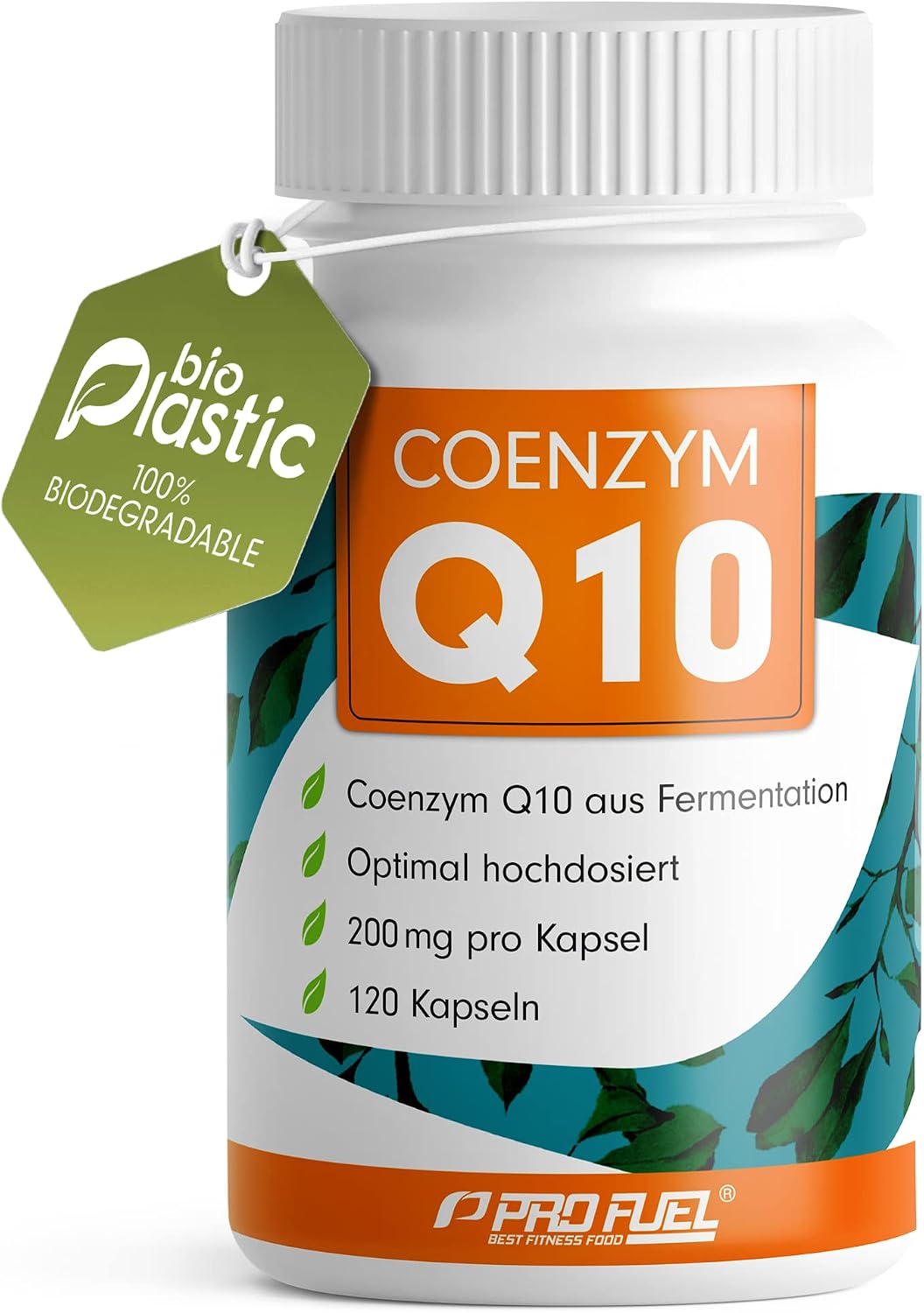
Végan, issu de la fermentation et testé en laboratoire — c'est celui que je prends actuellement. Avec des matières grasses, car il est liposoluble.
Produits recommandés
Ce que je prends actuellement — 200 mg végan issu de fermentation, testé en laboratoire, excellent rapport qualité-prix.

Alternative solide avec un conditionnement plus grand (environ 6 mois d'approvisionnement).
